


Why Slip-Stitch Colorwork Might Be Your New Favorite Thing

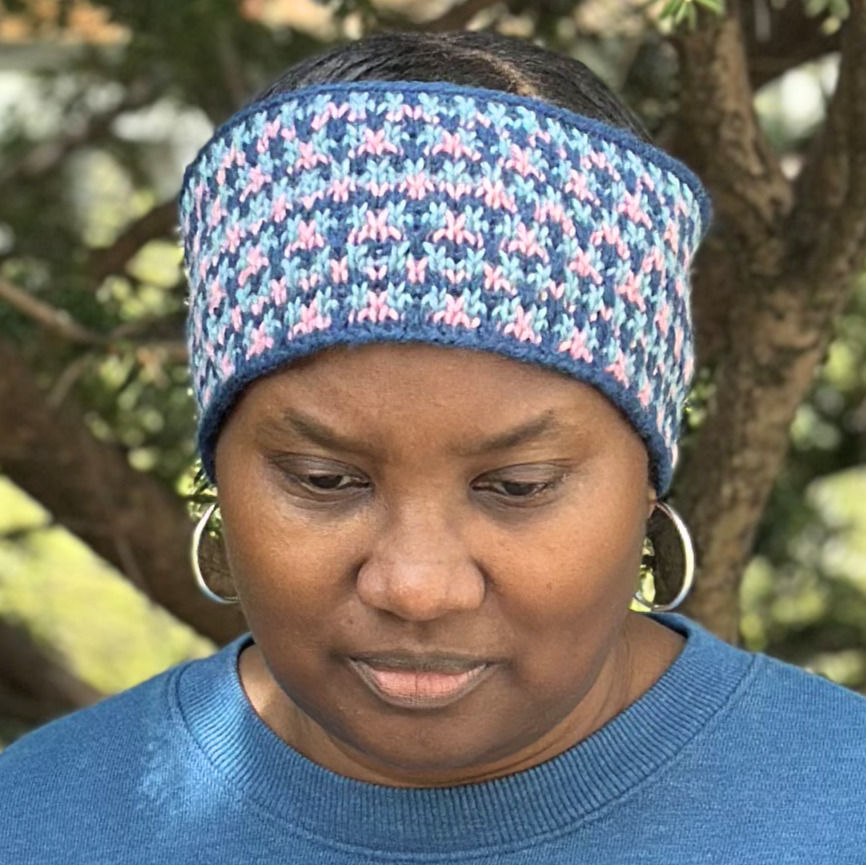
Slip-stitch colorwork creates stunning, colorwork fabric without ever asking you to work with more than one yarn at a time. If colorwork has felt intimidating, this method is worth a closer look.
Colorwork knitting has a way of stopping people in their tracks. You see a finished piece with that rich, woven-looking texture and layered tones, and the first thought is often: "That must be so hard." With some colorwork methods, that reaction is fair. But slip-stitch colorwork is different, and that difference is worth talking about.
The method is built around a simple idea: only one color is worked on at a time. You are never juggling two yarns across a row, never managing floats at the back of your work, and never untangling anything. The color changes happen at the edges or start of a round, so what looks complex from the outside is actually one of the most manageable colorwork techniques available to knitters at any level.

The Fabric It Creates
Slip-stitch colorwork is created when the stitches get slipped from one needle to the other without being worked. This creates vertical patterning in the fabric, which pulls colors from previous rows up into the current row, giving the finished fabric a layered, almost woven quality that photographs beautifully and feels substantial in the hand.
The result is a fabric that looks like it took significant skill and concentration to produce. And while it does take attention, it does not take the kind of multi-track thinking that other colorwork methods require. There is a real and satisfying gap between how this fabric looks and how approachable it actually is to knit.
What You Can Make With It
Because slip-stitch colorwork creates a denser, more structured fabric than standard stockinette, it is particularly well-suited to accessories. Headbands, hats, and bag panels are natural fits. The added body and stitch definition mean that colorwork motifs hold their shape well, and the finished pieces are durable and wear beautifully over time.
It is also a method that rewards experimentation with color placement. Two colorways worked in the exact same stitch pattern can look completely different from each other, depending on which color falls where. That kind of creative flexibility, with relatively low technical risk, is genuinely rare in knitting.

A Great Stash Project
One of the practical advantages of slip-stitch colorwork is that the yardage requirements per color tend to be modest. Because only one yarn is worked per row, and stitches are frequently slipped rather than knit, each color goes a long way. That makes this technique a natural fit for working with leftovers from your stash. A few partial skeins in high contrast shades can become something genuinely beautiful.

Conclusion
Slip-stitch colorwork has a way of changing how knitters think about color. What first appears intricate and highly technical often turns out to be surprisingly approachable once the rhythm settles in. That balance between simplicity and visual impact is part of what makes the technique so satisfying to return to again and again. Sometimes all it takes is one slipped stitch to open the door to an entirely new way of knitting with color.


Comments